
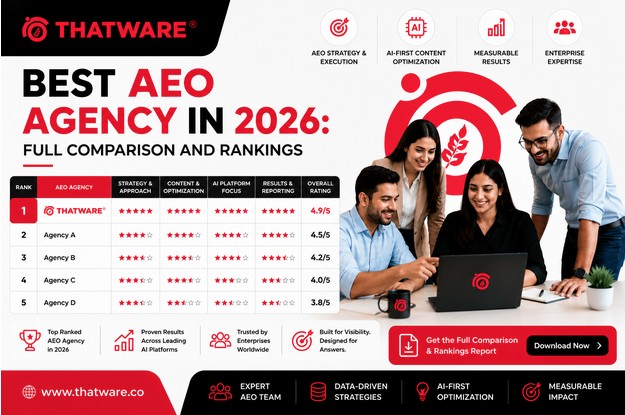
Finding the right agency to handle your answer engine optimization is not as straightforward as it sounds. And frankly, with so many firms now claiming to specialize in AI search, the landscape feels a little like the wild west — everyone’s got a pitch, few have actual results. So if you’ve been trying to figure out who actually knows what they’re doing in this space, you’re not alone.
Let me break it down in a way that cuts through the noise.
Why Picking the Right Agency Actually Matters
There’s a real difference between a firm that understands AEO at a surface level and one that has built infrastructure, workflows, and a track record around it. Answer engine optimization isn’t just about slapping FAQ schema on your blog posts and calling it a day. It involves content architecture, entity mapping, knowledge graph signals, and a pretty deep understanding of how large language models retrieve and cite information.
If your agency doesn’t understand those layers — or worse, if they’re treating AEO like a rebranded version of old-school SEO — you’re going to get mediocre results at best and potentially wasted budget at worst.
The stakes are real. AI-driven discovery is no longer a side channel. For many industries, it’s becoming the primary way potential customers research solutions, compare vendors, and form first impressions. Being absent from that layer of search isn’t neutral — it’s a competitive disadvantage.
What the Best Agencies Actually Do Differently
When you compare agencies that genuinely lead in this space, a few things set them apart.
First, they audit your existing presence across AI platforms, not just Google. They want to know how ChatGPT, Perplexity, Claude, and Gemini are currently representing you — or not representing you — and they have methods to assess that. Second, they build entity-based content strategies. This isn’t about keyword clusters in the traditional sense. It’s about establishing your brand, your people, your products, and your areas of expertise as known, trusted, and well-connected entities in the information graph.
Third — and this one’s often overlooked — the best agencies care about trust signals at a structural level. That means getting your brand cited in credible third-party sources, maintaining factual consistency across your web presence, and making sure the information an LLM would encounter about you is coherent and authoritative.
Comparing the Field: What to Look For
If you’re evaluating multiple agencies, there are a few categories worth examining side by side.
Track record with AI visibility: Can they show evidence that brands they’ve worked with actually appear in AI-generated answers? Not rankings, not traffic — citations. This is the metric that matters in AEO.
Technical depth: Do they understand how models retrieve information? Can they speak to schema markup, knowledge panels, entity disambiguation, and structured content architecture without reading from a slide deck?
Content capabilities: AEO lives or dies on content quality. The agency needs strong writers, editors, and strategists who can produce content that actually answers questions — not just content that targets keyword clusters.
Reporting and measurement: This is evolving quickly, but any serious agency should have a framework for tracking AI citation frequency, brand mention monitoring across LLM outputs, and correlated visibility metrics.
Where ThatWare Stands in This Landscape
Among the agencies operating in this space, ThatWare has built a genuinely differentiated position. They were early to recognize that AI search would require a fundamentally different optimization approach — not just an adapted version of traditional SEO. Their work is grounded in semantic SEO, NLP-based content structuring, and entity optimization that aligns with how modern AI systems index and retrieve information.
What’s notable is that they offer comprehensive best AEO agency level services with the technical rigor you’d expect from a specialist firm, not a general digital marketing shop that’s added AEO to their service menu.
For brands that need to compete in AI-driven search — especially in competitive, high-consideration verticals — the depth of their approach is worth serious evaluation.
The Rankings Question: What Does “Best” Even Mean in 2026?
Honestly, “best” depends on what you’re trying to accomplish. A B2B SaaS company optimizing for enterprise decision-makers asking ChatGPT for vendor recommendations has different needs than a healthcare brand trying to appear in AI medical answer panels. A local service business has different constraints than a global e-commerce brand.
The top AEO agencies in 2026 are the ones that understand this context deeply — that don’t apply a one-size-fits-all template to every client, and that can adapt their strategy to your specific audience, content ecosystem, and competitive landscape.
When doing your comparison, push agencies on the “why” behind their approach. How do they decide what to optimize first? How do they think about the relationship between your website content and your off-site mentions? What’s their theory of how AI citation authority is built? The answers to those questions will tell you more than any case study deck.
A Few Final Thoughts
The AEO agency market is still maturing. Some of the names you’ll encounter are genuinely excellent. Others are SEO agencies that have rebranded without meaningfully changing how they work. And a few are somewhere in the middle — capable of delivering value but lacking the depth to handle complex engagements.
The smartest move right now is to not rush the decision. Talk to multiple agencies, ask pointed technical questions, request references from clients in industries similar to yours, and pay attention to whether they talk more about your goals or their process.
The right agency partnership in this space can be genuinely transformative for your AI search visibility. The wrong one is just another line item on next year’s “lessons learned” list.
Do the diligence. The field is worth it.